Only 1% – New framework shows how little land England needs for clean energy
26/03/2026 -
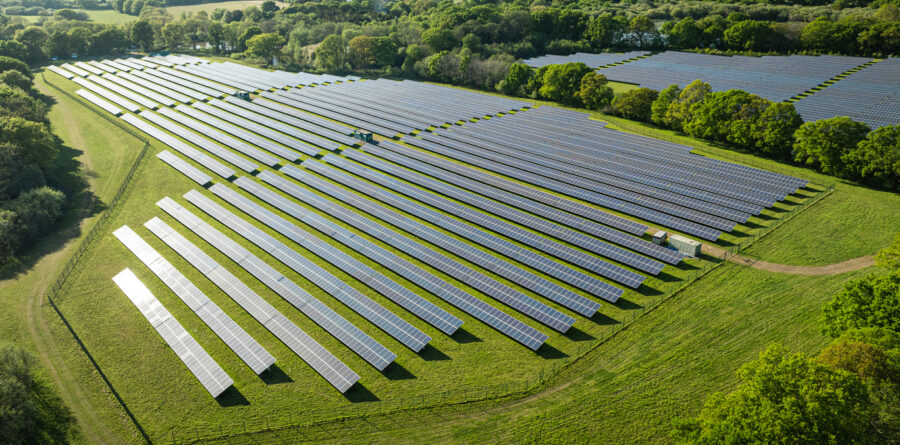
A new government Land Use Framework, reported this week by The Guardian, has revealed that England will require only around 1% of its land to deliver the renewable energy infrastructure needed for the country’s transition to clean power. The long‑awaited framework sets out a more strategic national approach to balancing land demands for food production, housing, nature recovery and energy generation.
One of the most notable findings is that the land required for solar and other renewable technologies can often continue to support agricultural activity. Livestock grazing, biodiversity planting and soil restoration can all take place alongside solar generation, reinforcing long‑held industry claims that clean energy and farming are not competing interests. Many existing solar sites already demonstrate this dual‑use model, with improved soil health, increased pollinator habitats and continued agricultural productivity.
The framework also highlights a major administrative shift: the proposal to remove key paywalls from the Land Registry. For years, limited access to ownership data has slowed progress on land‑based projects, including renewable energy developments. Easier access to this information is expected to streamline planning, reduce delays and enable clearer collaboration between landowners, councils and developers.
The wider policy message reflects the growing pressure on England’s land. Housing demand, food production, flood management, nature recovery and the transition to clean energy all compete for space. Rather than treating these priorities as conflicting, the new framework encourages a more integrated approach—directing development away from flood‑prone areas, restoring peatlands and river corridors, and supporting land uses that deliver multiple environmental benefits. Renewable energy fits neatly within this vision, offering low‑carbon power while occupying minimal land and contributing to wider ecological goals.
For farmers, landowners and commercial organisations, the implications are broadly positive. Solar remains one of the most land‑efficient ways to generate clean energy, while battery storage offers resilience at a time of volatile energy markets. Mixed‑use sites—such as those combining solar arrays with sheep grazing or pollinator‑friendly planting—continue to demonstrate the economic and environmental value of well‑designed renewable projects.
Commercial installations across agriculture, manufacturing, education and hospitality already show how on‑site renewables can cut long‑term energy costs, strengthen business resilience and reduce carbon footprints. As the new framework takes shape, opportunities for well‑sited, well‑planned renewable energy projects are expected to grow, marking a significant shift in national land‑use policy.
For landowners, farmers and businesses looking to explore the opportunities created by the new Land Use Framework, East Green Energy provides expert guidance and turnkey renewable solutions. To discuss how solar or battery storage could work on your site, visit eastgreenenergy.co.uk or contact the team for a tailored assessment.
All articles on this news site are submitted by registered contributors of SuffolkWire. Find out how to subscribe and submit your stories here »